Interview with Ingo Wendt
while preparing for EVI LICHTUNGEN in Hildesheim 22–25 JAN 2026.
INTERVIEW BY Fairouz Nouri
PUBLISHED 2 JAN 2026
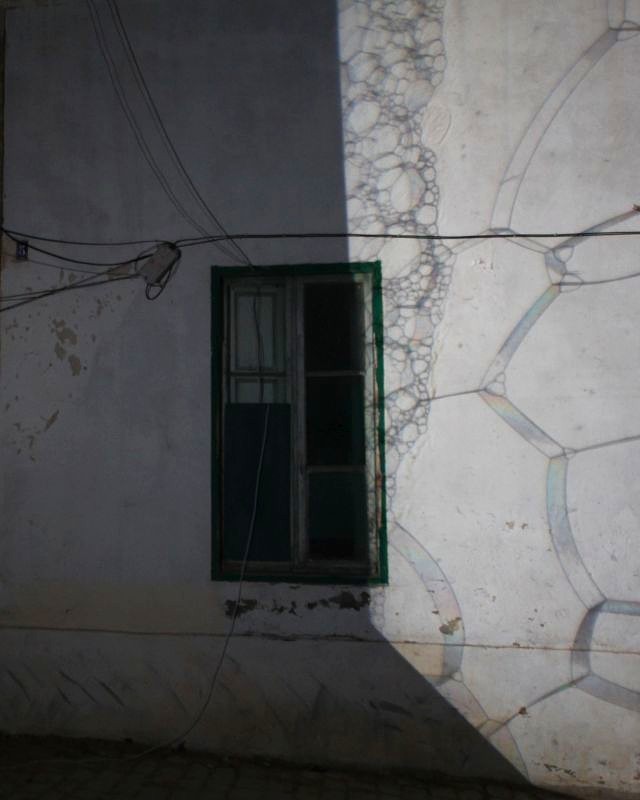
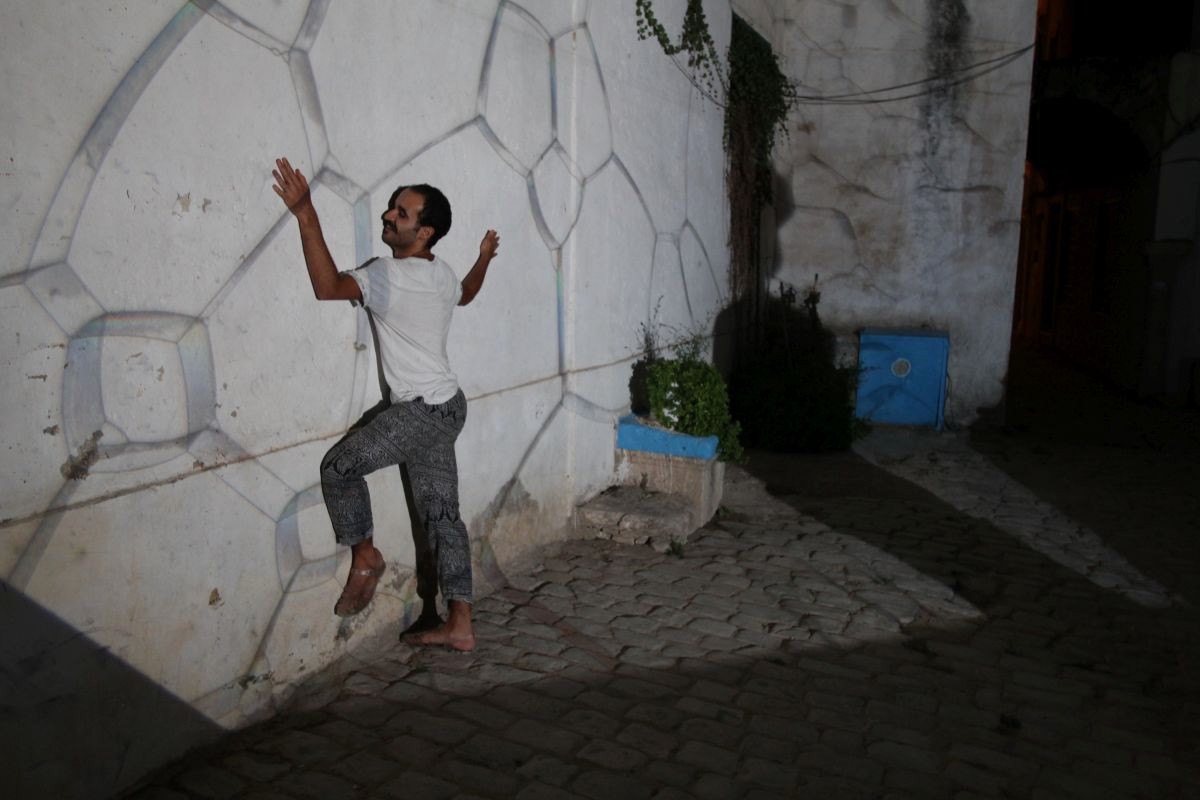
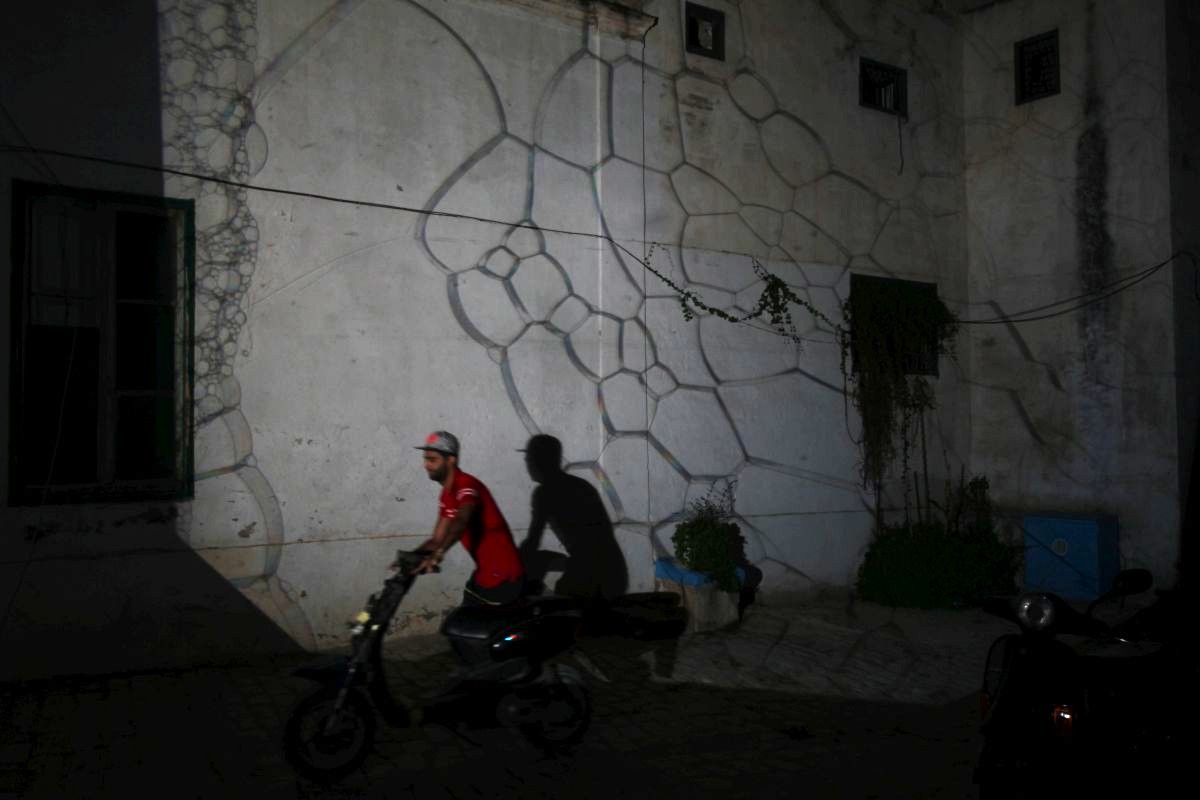
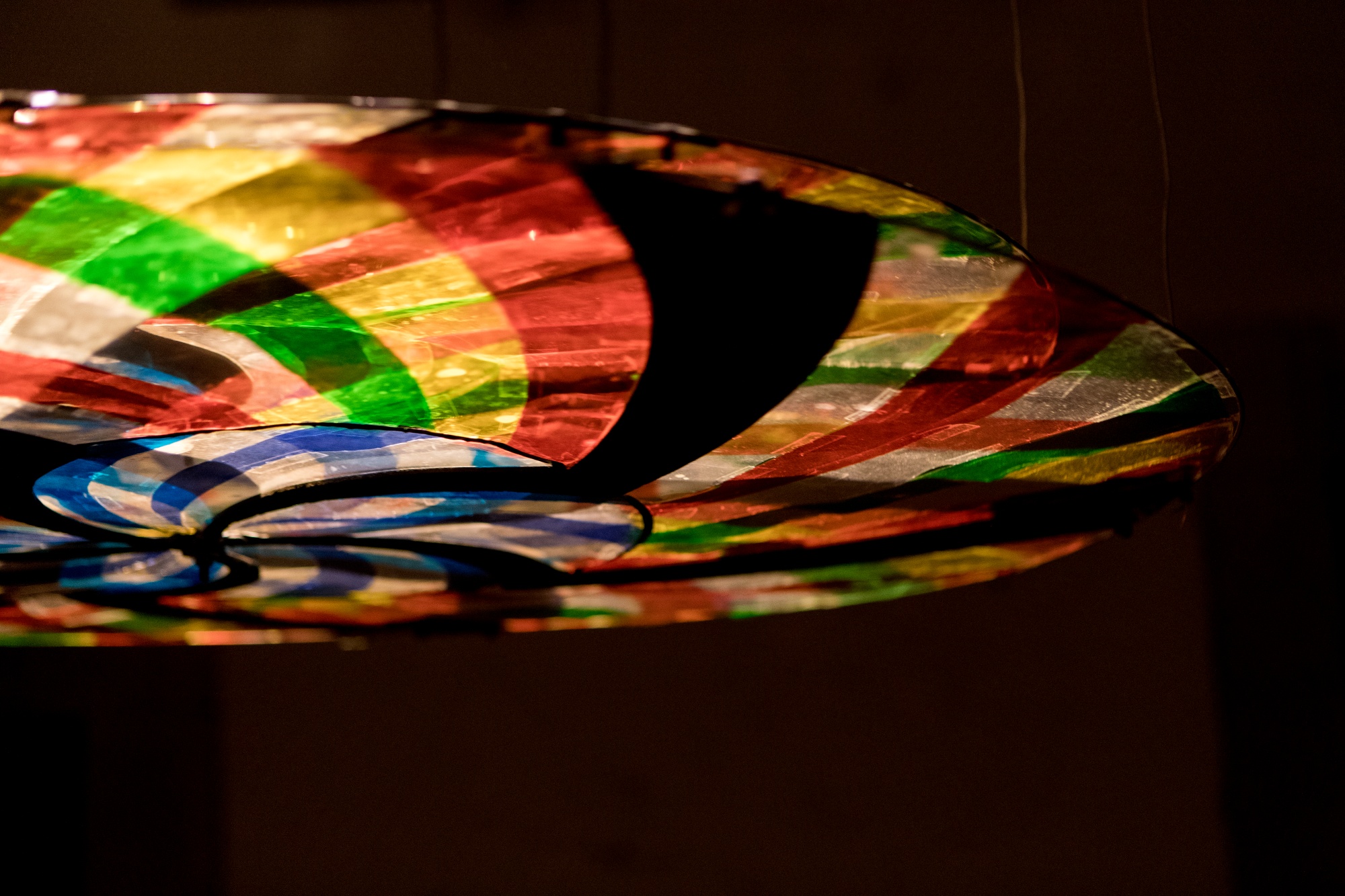
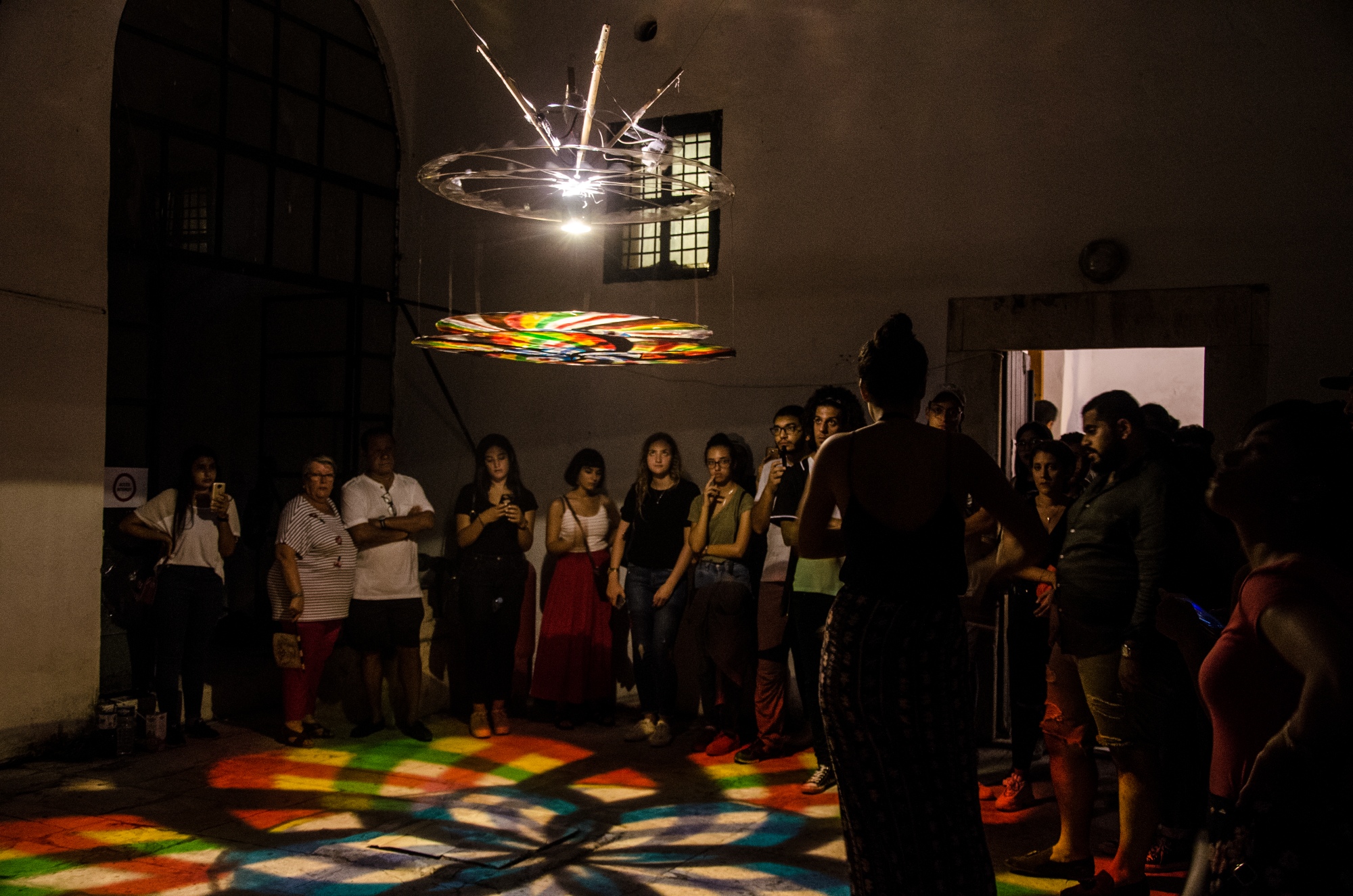
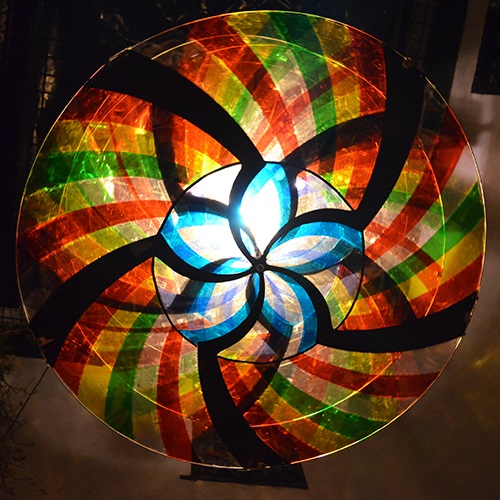
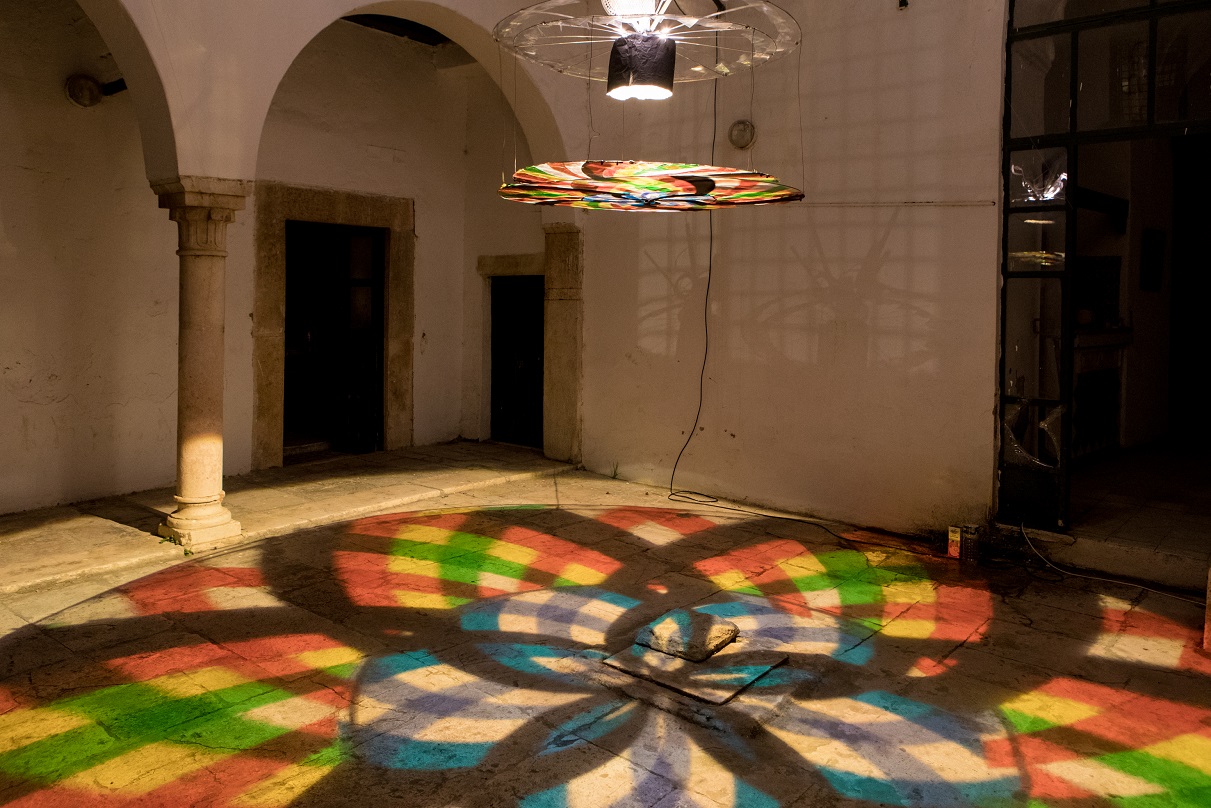
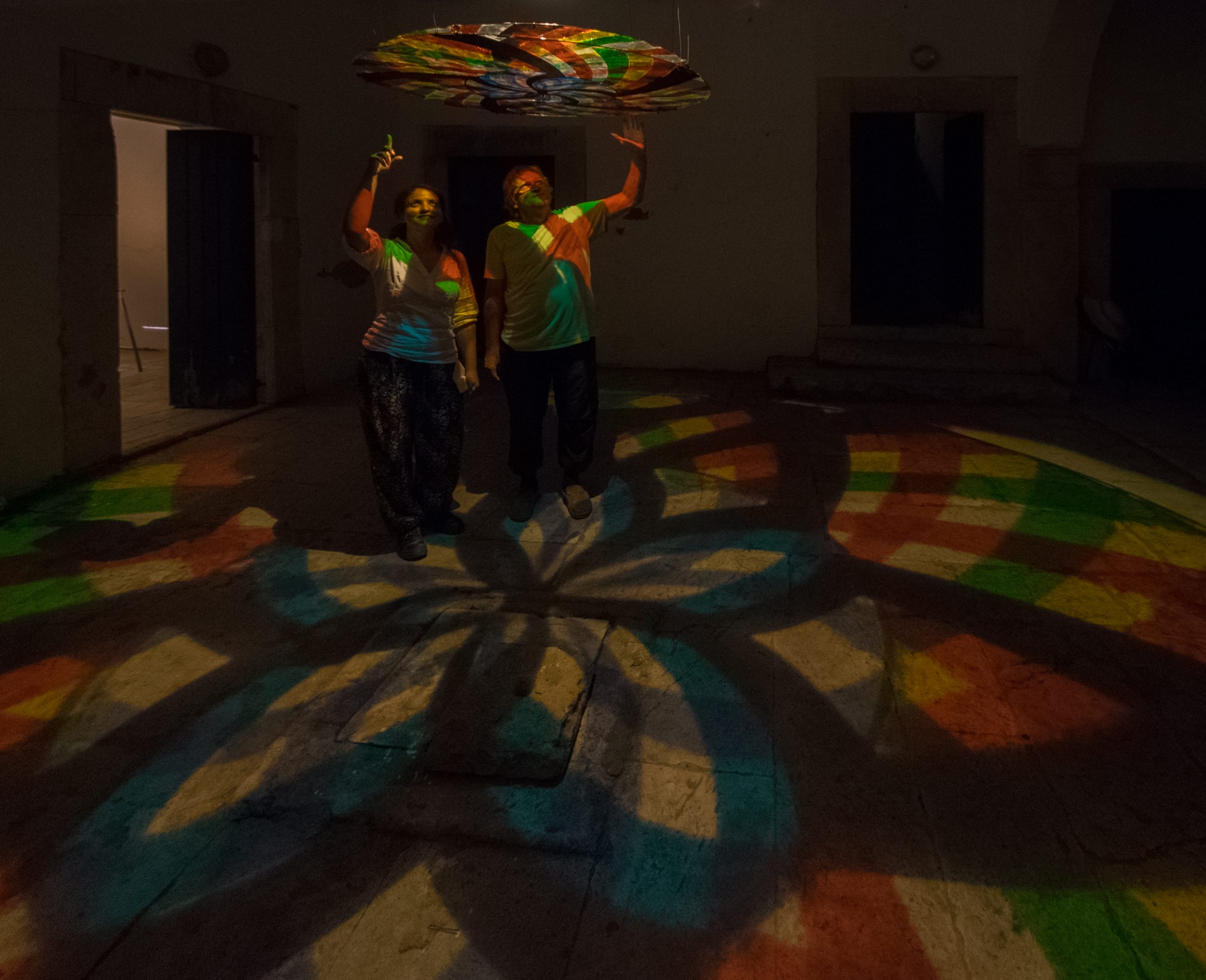
In the EVI LICHTUNGEN 2026 Edition, Ingo Wendt is participating with his installation “Seifenblasen Projektor” (en: soap bubble projector) in the city’s center. Please meet Ingo Wendt´s work who anserwed the questions by Fairouz Nouri.
Ingo Wendt has been contributing to the first edition of the LICHTUNGEN in 2015, curated by Bettina Pelz and Klaus Wilhelm. He was part of the first cooperation of the LICHTUNGEN and the HBKsaar, the University of the Arts in Saarbrücken – jointly with Bettina Pelz and Daniel Hausig as professors, and a team of students. In addition to his artistic contribution, he is again part of the HBKsaar team, jointly with Detlef Hartung as professor, with a students’s display at the St. Godehard Church.
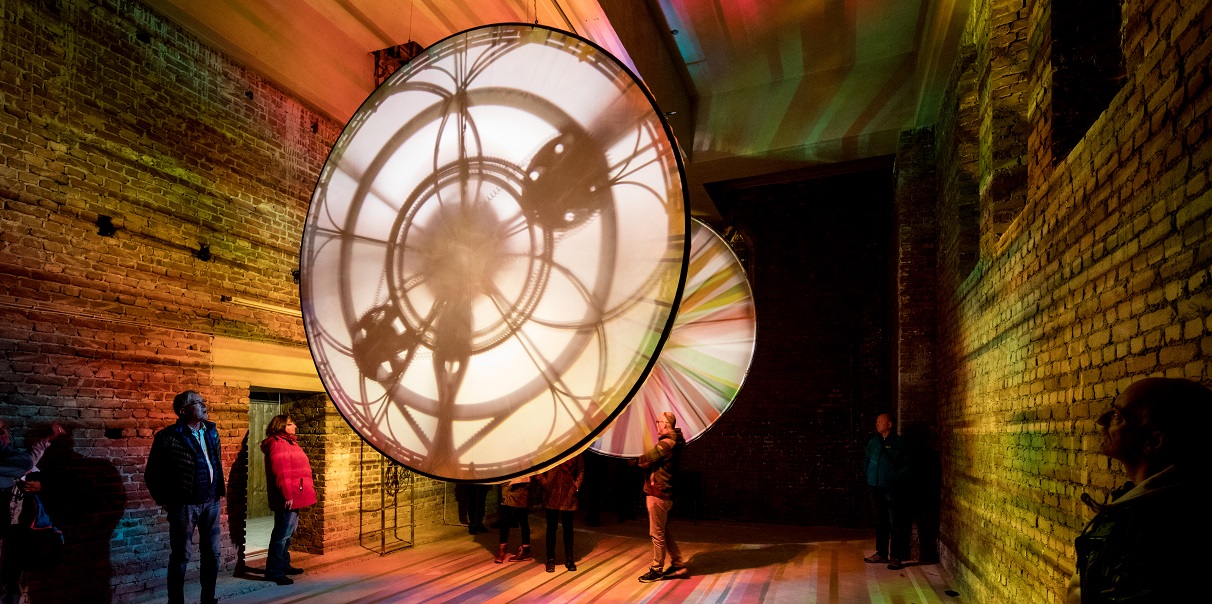
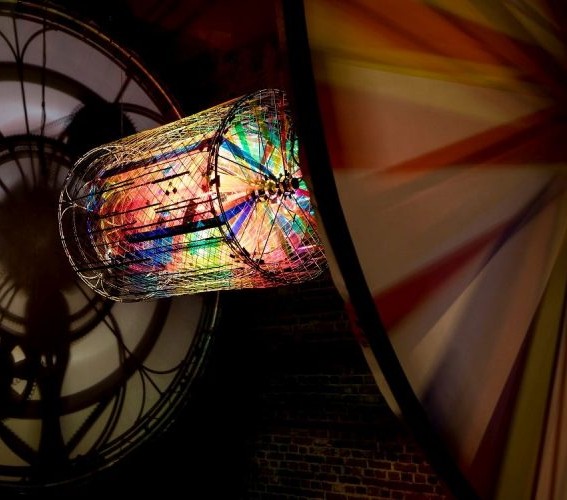
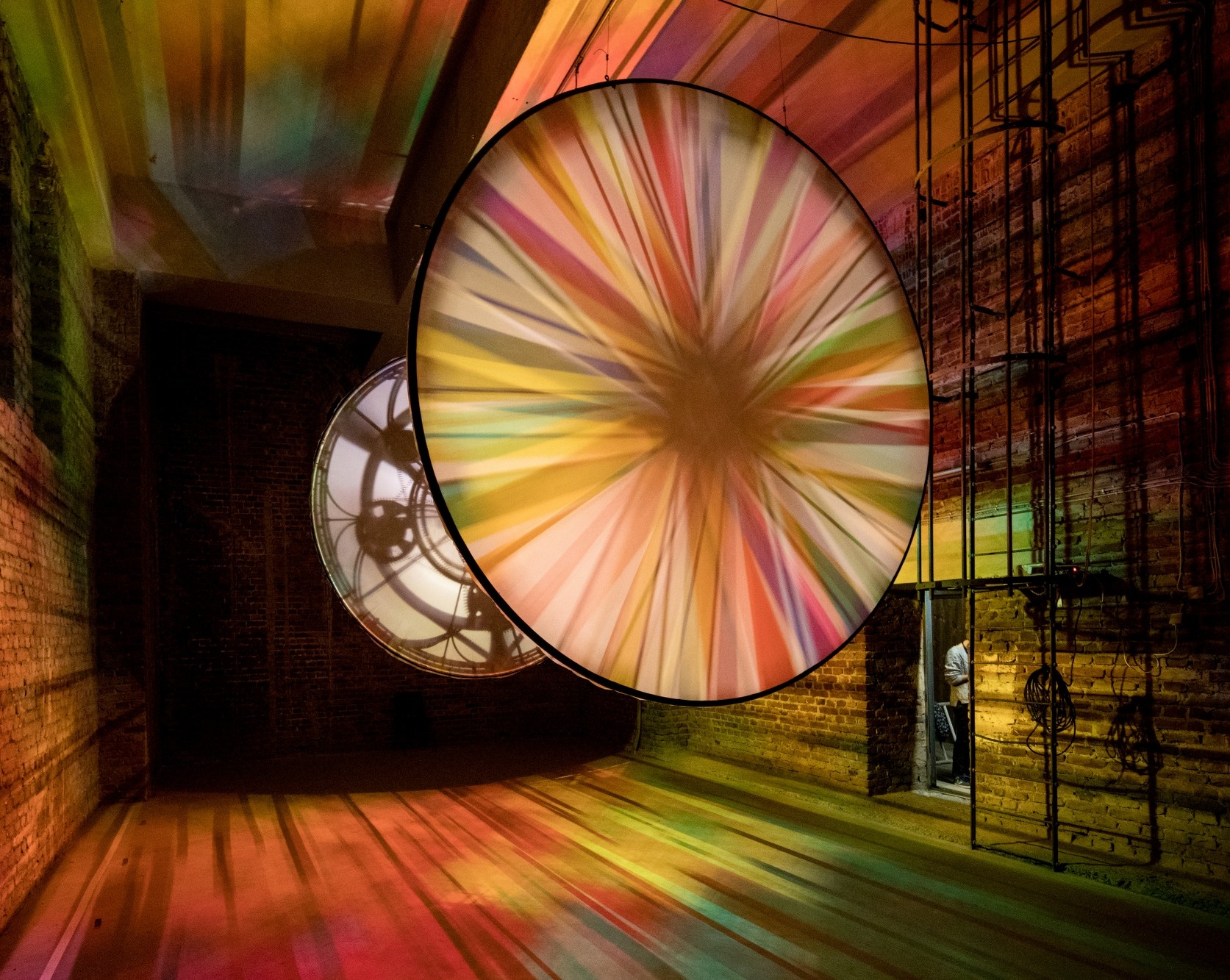
During the 2015 festival, Ingo presented a work described as a “light painting,” in which transparent colored elements were animated through motion and projected light, producing shifting abstract compositions. The piece drew on historical references to early twentieth-century color-light experiments.
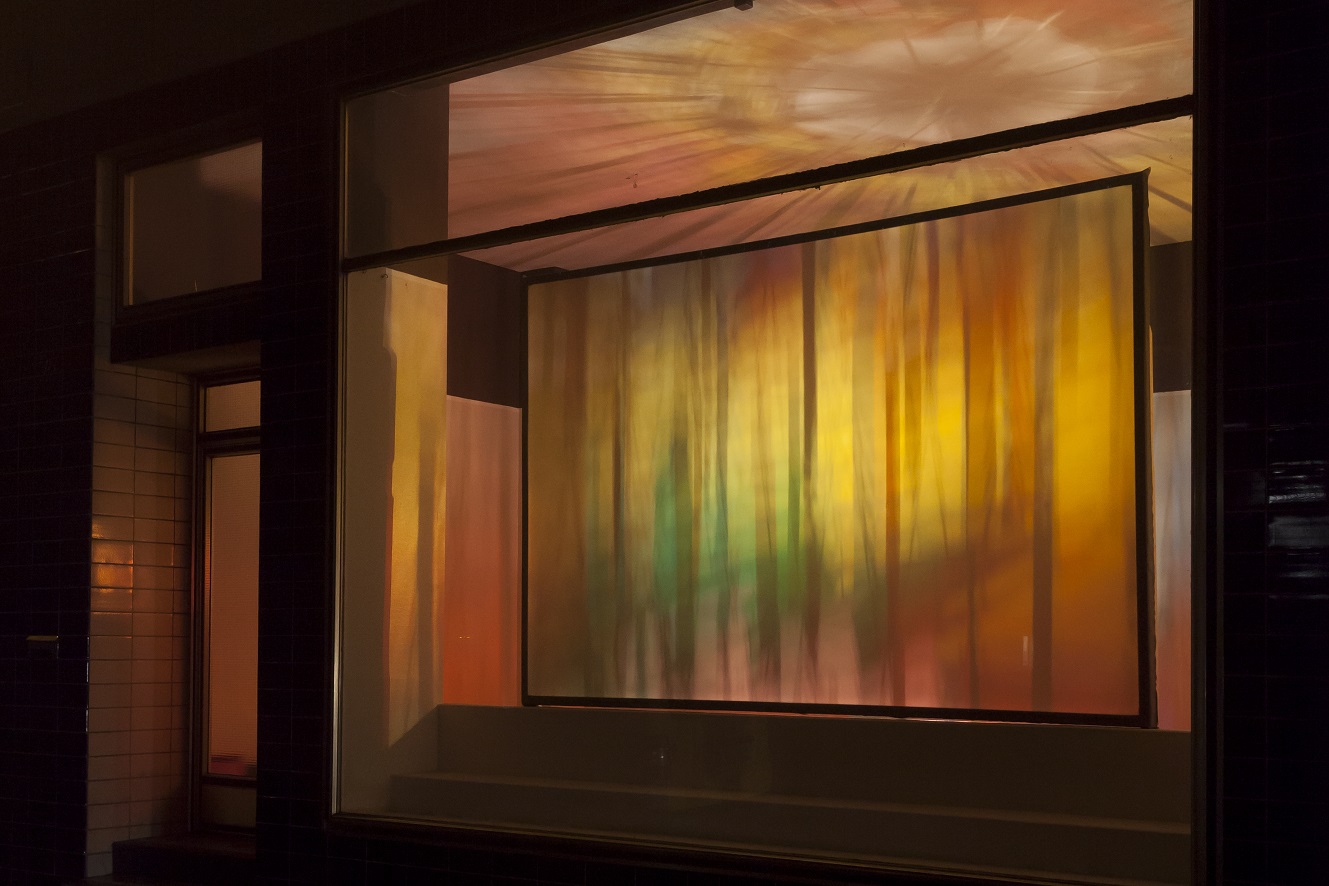
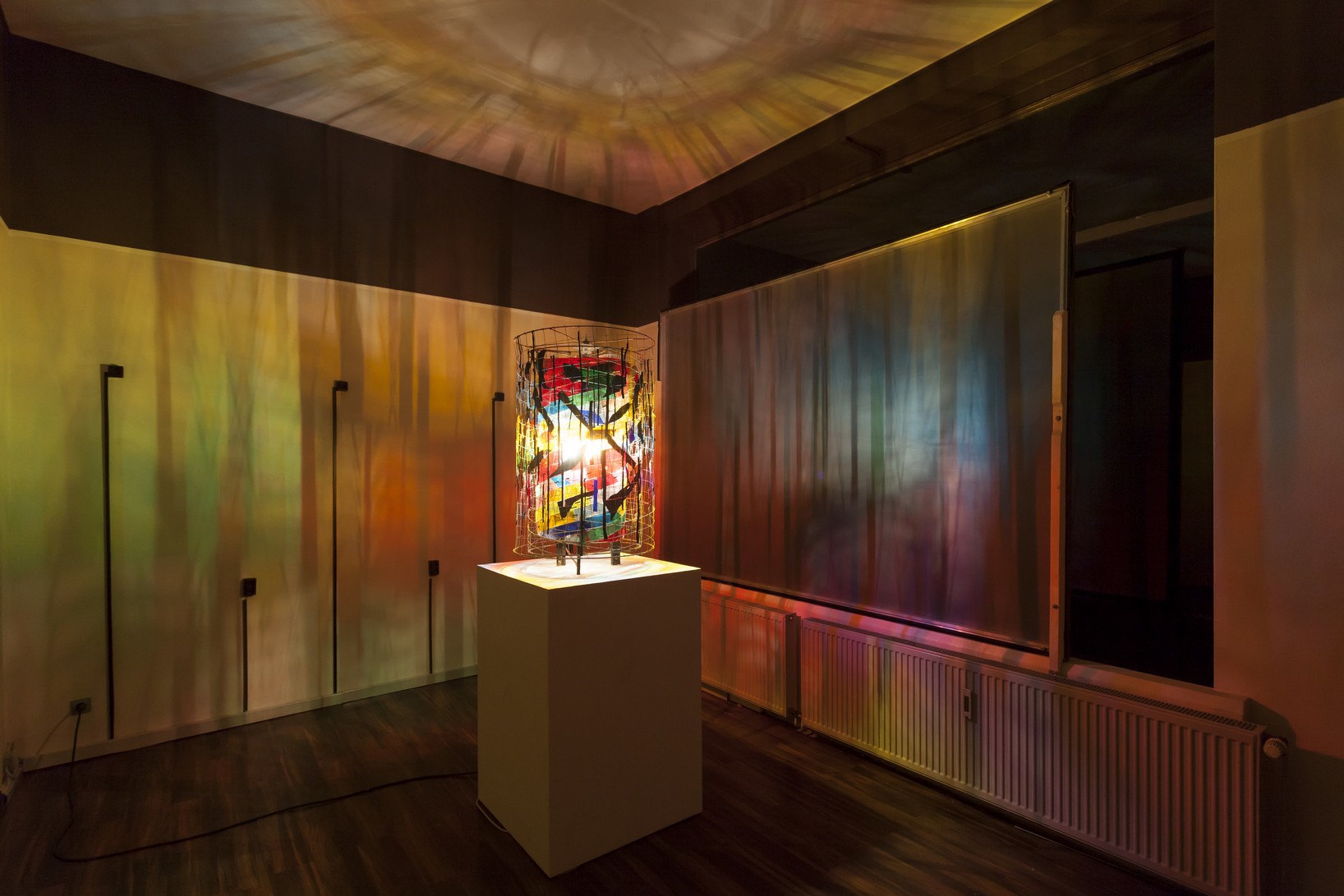
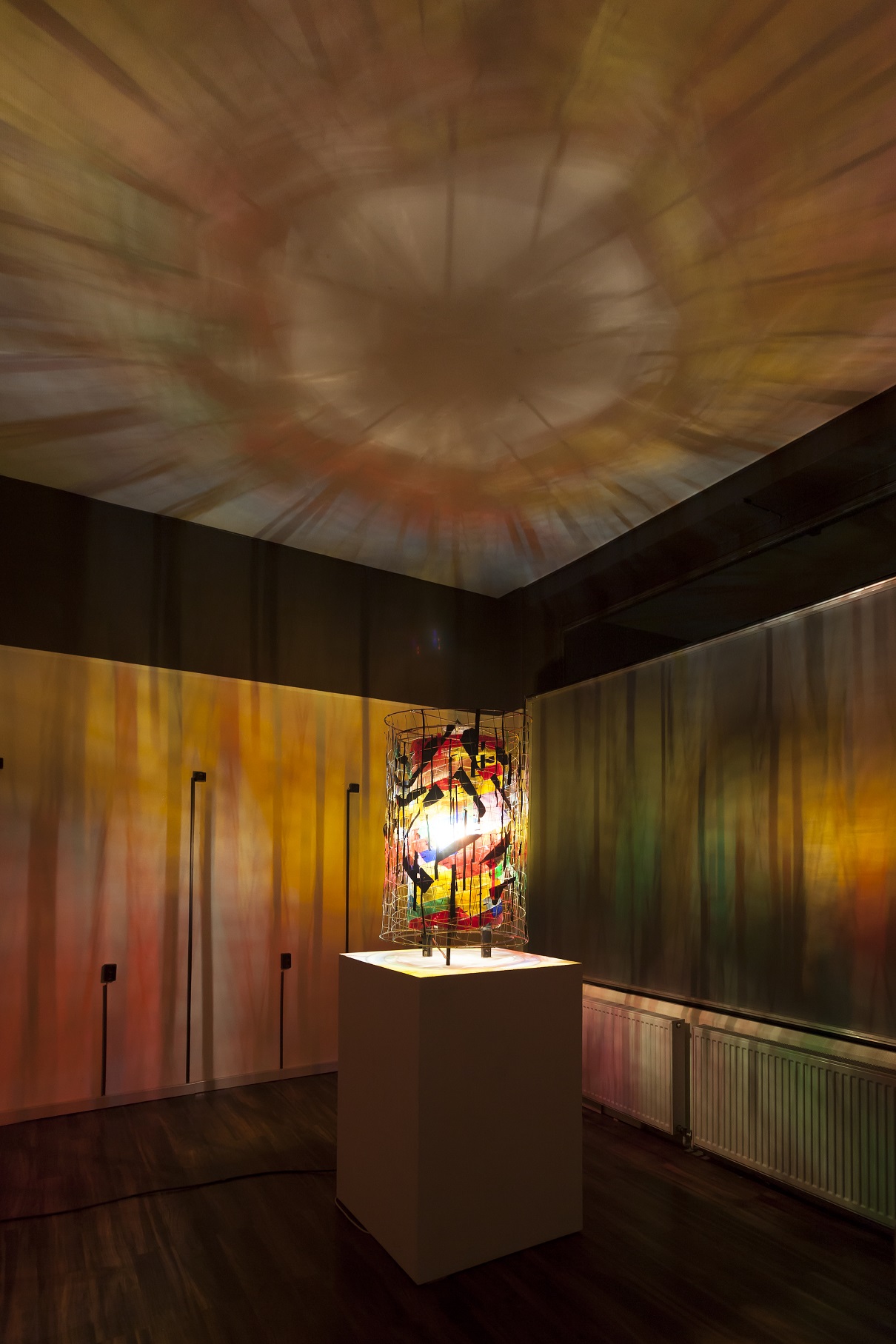
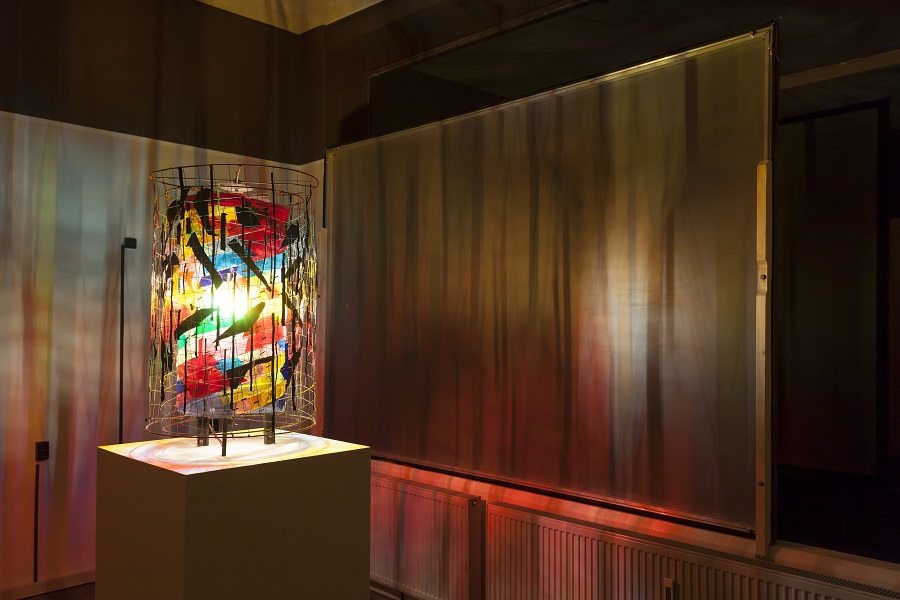
// Your work at EVI LICHTUNGEN engages light as a dynamic and spatial medium rather than a static visual element. How does this installation relate to your ongoing exploration of light, movement, and analogue mechanisms?
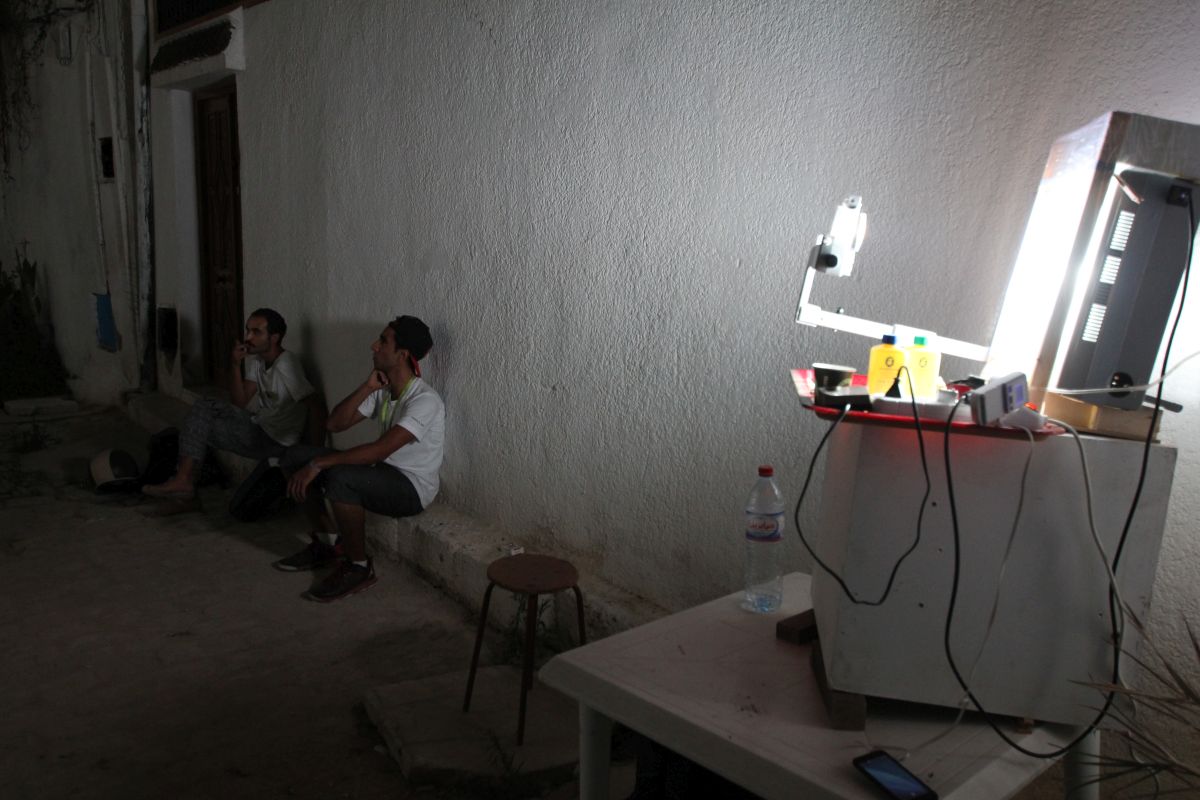
The soap bubble projector, in particular, has a high quality of randomness. For a picture generator, this is always one of the main topics i ask for. Only some of my projection machines reach this level. Mostly they are fed by some slow-moving colour and shade elements and so maybe 3 or 4 informations combine new for a long time what i call “random like”. For the audience it is no problem because repetition should need a lot of tome but for my artist point of view i love this real random stuff.
// In your practice, light is not used simply to illuminate objects but becomes a material in itself. What interests you in working with light as a physical and experiential substance?
It is still some how a miracle. To know about phenomena and to combine them doesen’t mean that you know what will happen. These things seem to be simple but they offer a very complex range of opportunities. This view from different sides and the satisfying results keep me working in this direction.
// Many of your works evolve slowly through motion, repetition, and change. How do you think about time in relation to perception, especially in a public festival context where encounters are often brief?
Who has no minute should not get something. It is necessary to take some time to come in the work because the speed mostly is “slow”. Step out the race take a breath and the work doesent ask for interaction its to come down. Finally it is the behavour to extend traditional painting by technical tools and gain the dimension of time.
// Your installations often include elements that generate unpredictable visual outcomes. How important is chance in your work, and how do you balance control and openness within your installations?
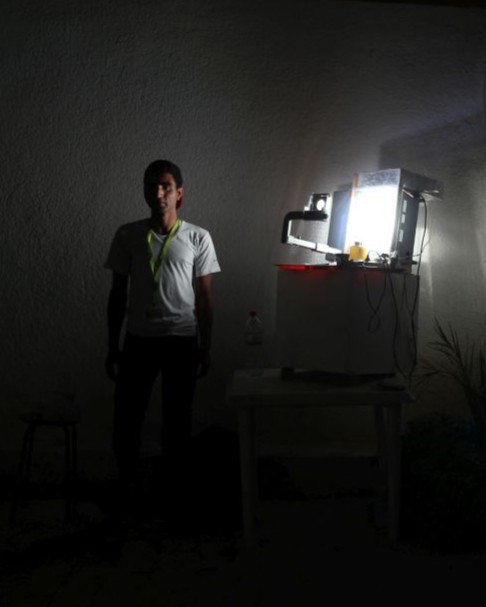
I think as i mentioned that it is my wish to work as unpredictable as possible. Maybe a part of the audience will consider this too while watching. My main focus is on the picture. The machines fight for a sculptural status and they mostly show everything that happens to create the picture. So its a open door but also keeps a secret what is interesting.
// Festivals of Light activate urban and architectural spaces in specific ways. How does the surrounding environment influence the way you design and position your work for a site like EVI LICHTUNGEN?
It has to fit somehow geometrically. Most picture generators need a special profile of space. Here the best is a square without much light around. It may happen somewhere in nowhere. The surroundings sometimes play together in a positive way with the work but its not essential.
// Your works invite viewers to slow down, observe, and sometimes physically move around the installation. What kind of experience do you hope audiences take away from encountering your work in public space?
They should go through the easy entrance and play. Maybe they catch some poetic power of colour and action. In best case they see the link position between art and contemporary technics and the contra statement against digital overflow.
// Your practice often resonates with early optical instruments and pre-digital visual technologies. How do historical references inform your contemporary artistic language?
For me these old pioneers like Thomas Wilfred, László Moholy-Nagy, Nicolas Schoeffer, Julio le Parc, only to mention some of them are timeless. The digital stuff may develop to a great imitation of nature but “mother” nature is hard to beat. I like the image of machines that seem to be old but you really don’t know if they are. Its to beat fashion and mainstream and give them the mirror to see how boring it is.
// There is a sense of play and visual poetry in your installations, even when they are technically complex. How do you see the role of playfulness in engaging audiences with light art?
Good for life is playing. To keep the child alive in you. Children’s opinion of my work is very important for me because if you don’t deliver they go away.
// What does presenting your work within a light art festival like EVI LICHTUNGEN allow you to explore that might not be possible in a gallery or museum setting?
It is a technical question how long your work has function. The temporary use in a festival allows to show things that are not possible in 24/7 all year use. The soap bublle projector is a good example because there has to be always someone around to take care of this diva. Time eats machines so to plan for a use in a museum is a completely different thing. It’s like art in architecture. Exhibitions in museums are not so difficult.
I am looking forward to seeing your work in place and continue the discussion with you. Thank you very much!