REVIEW by FAIROUZ NOURI
PUBLISHED 10/02/2026
I arrived in Hildesheim knowing that one night would have to replace what should have been several days. A visa delay had compressed the visit into a single continuous walk. I did not have the privilege of returning to a work the next day, of observing it under different light, or of letting an impression settle. Everything would unfold in motion.
Can one evening be enough to understand a festival built on resonance? Or does resonance require time to mature?
EVI LICHTUNGEN extended through the city like a quiet map of encounters. Light installations occupied church interiors, façades, open squares, and transitional streets. The curatorial theme, Resonance – Light, Art, People, Place, suggested a relational structure rather than a fixed narrative. It implied that meaning would not sit inside the works alone but would emerge between elements: between light and architecture, between artist and visitor, between the city and those walking through it.
As I moved along the route, something became clear. The festival did not privilege one category of artist. There was space for established practitioners, for students, and for children’s projects. This coexistence did not dilute the artistic quality; rather, it widened the spectrum of engagement. It allowed shifts in tone. One work demanded concentration; another invited play. One spoke through complexity; another through immediacy.
What does it mean for a festival to create space—not only physically, but structurally? And can diversity become a form of coherence rather than fragmentation?
The works felt both connected and independent. The theme was specific enough to guide the selection, yet open enough to allow interpretation. Some artists approached resonance through architecture, others through social interaction, and others through time-based processes. The exhibition did not look uniform. It felt layered.
Is connection always visible, or does it sometimes operate beneath difference?
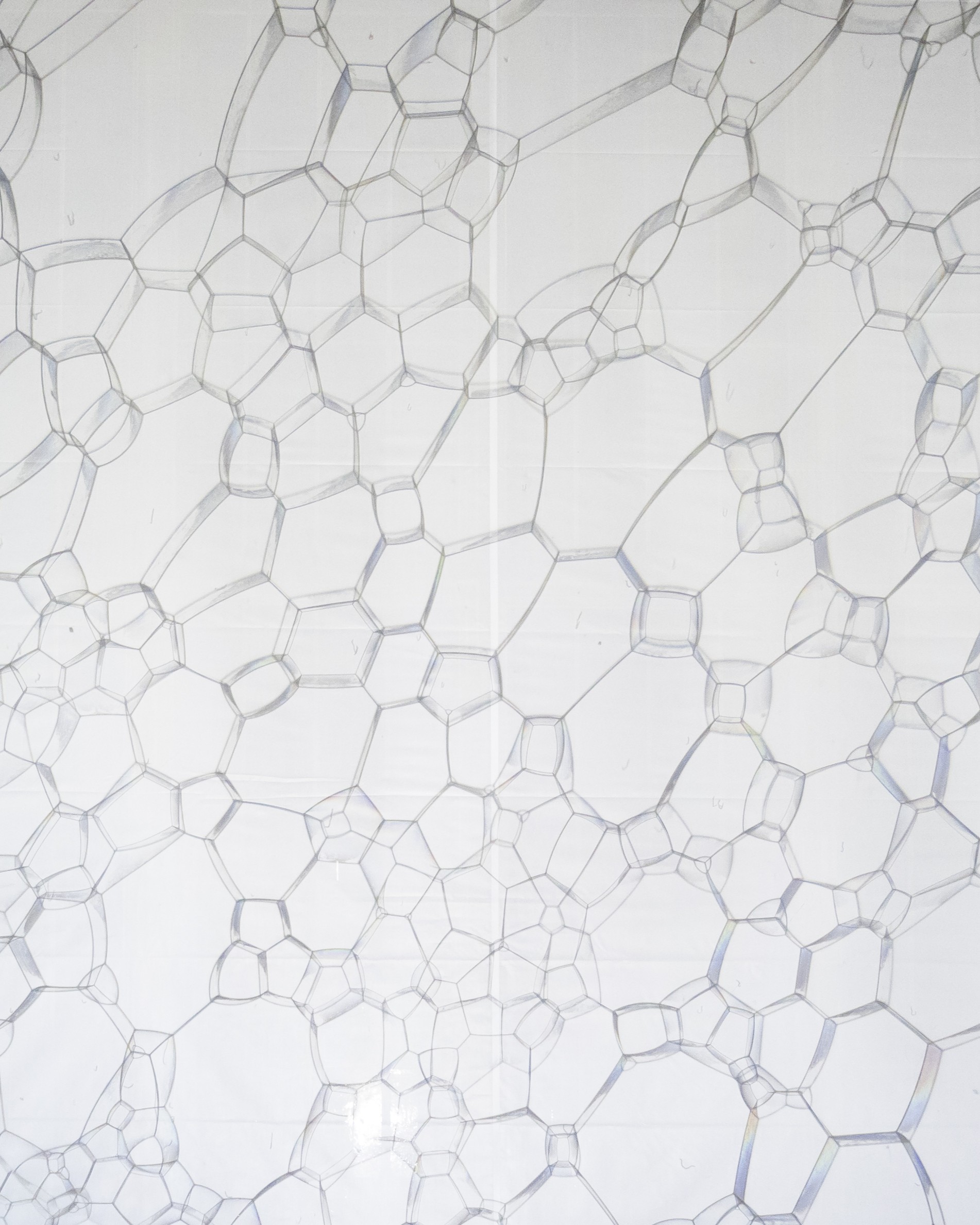
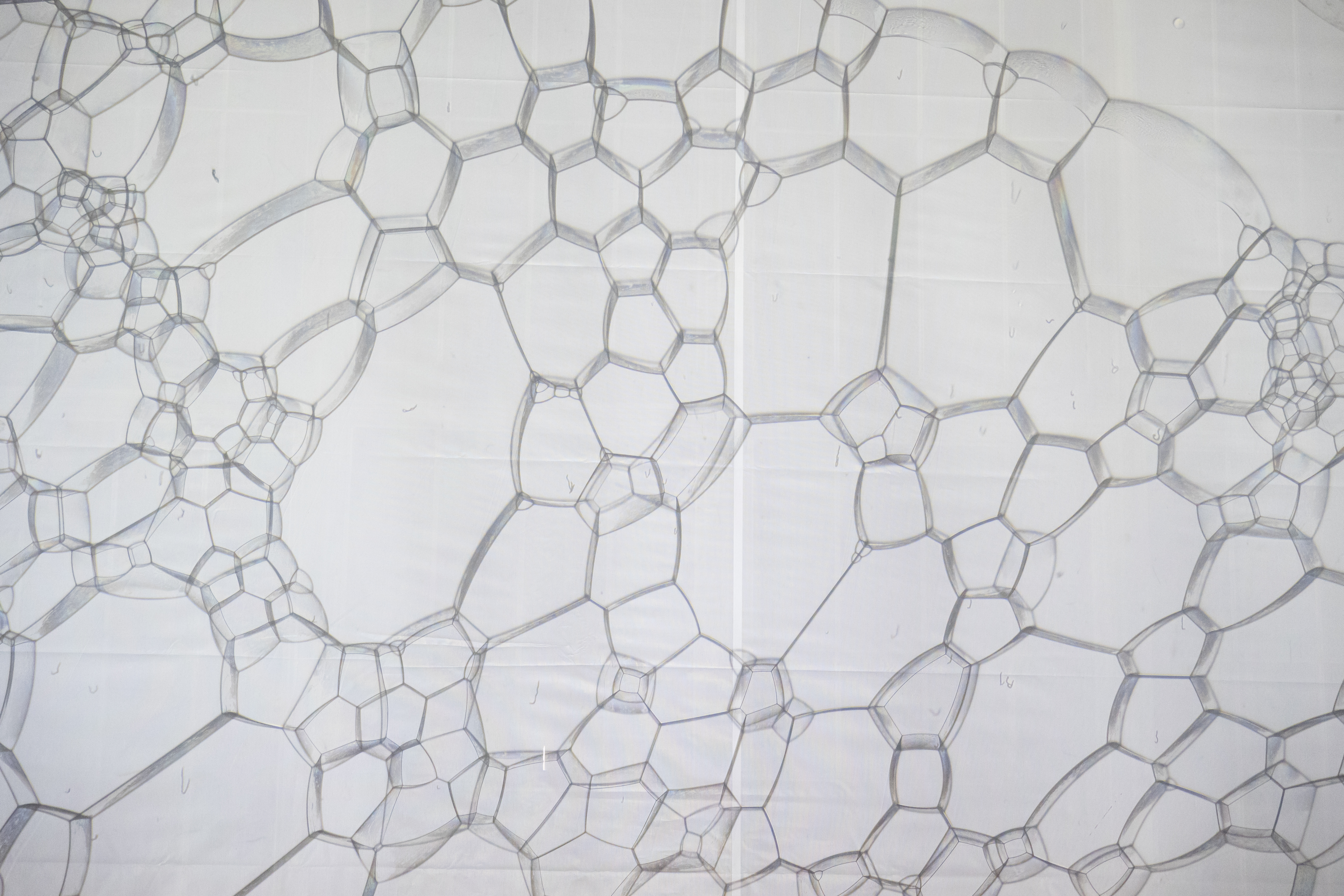
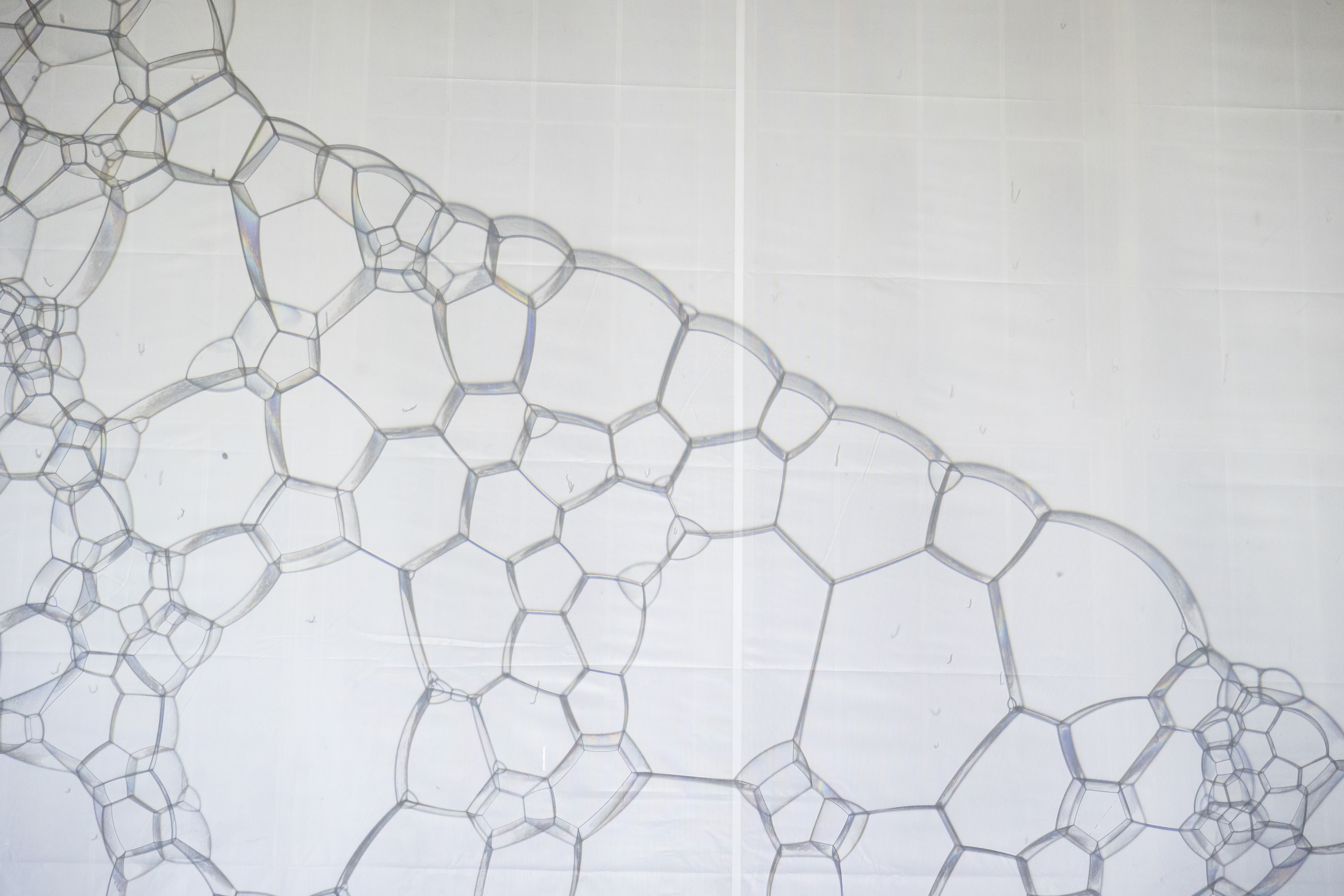
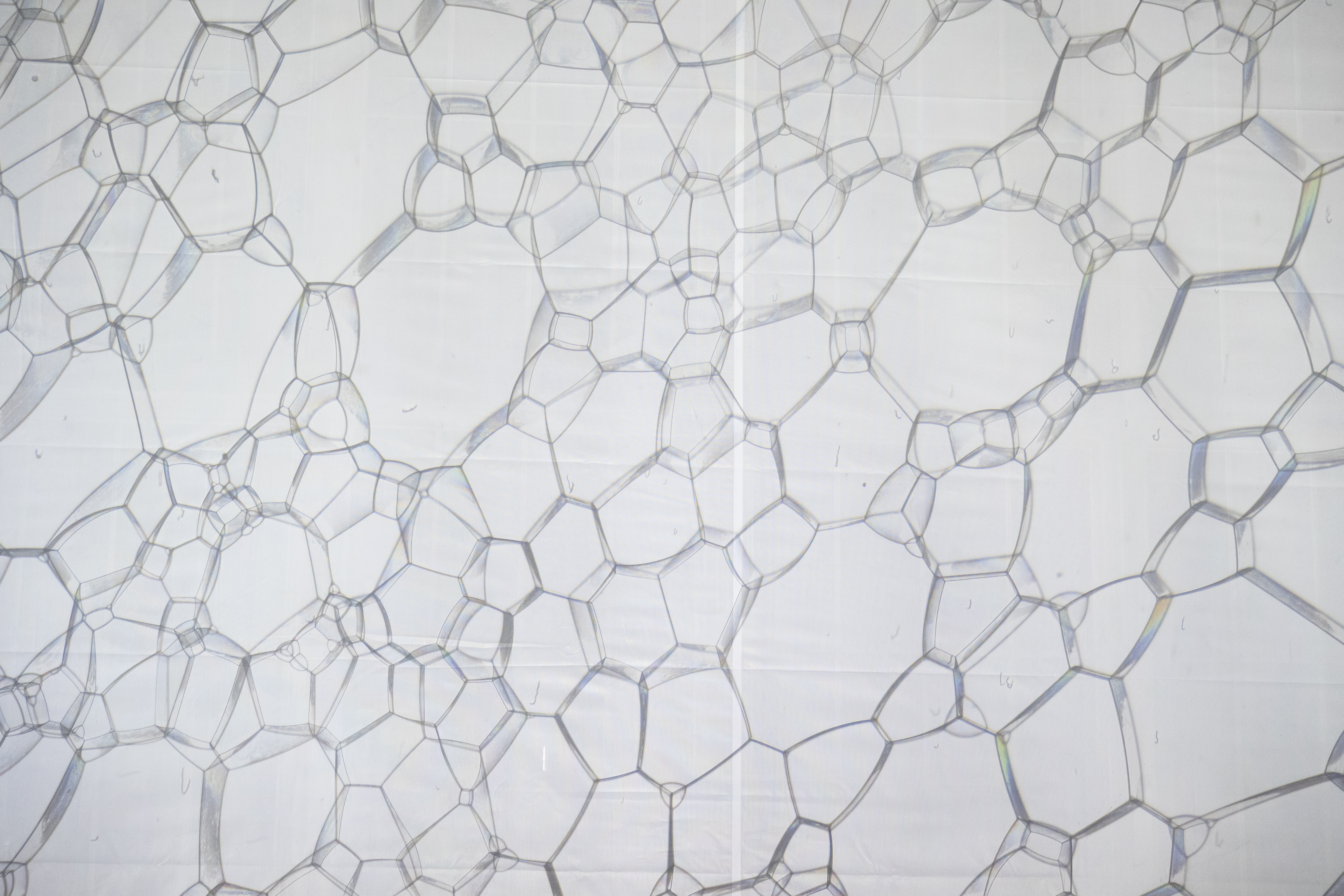
Within this constellation, Ingo Wendt’s Seifenblasen Projektor remained with me the longest. Before arriving in Hildesheim, I had spoken with Wendt about his practice. He described this work as a system with “a high quality of randomness.” For him, unpredictability was not decorative; it was structural. He explained that most of his machines combine only a few elements, yet in this case, the degree of chance reached a level he valued deeply. “It is my wish to work as unpredictable as possible,” he said.
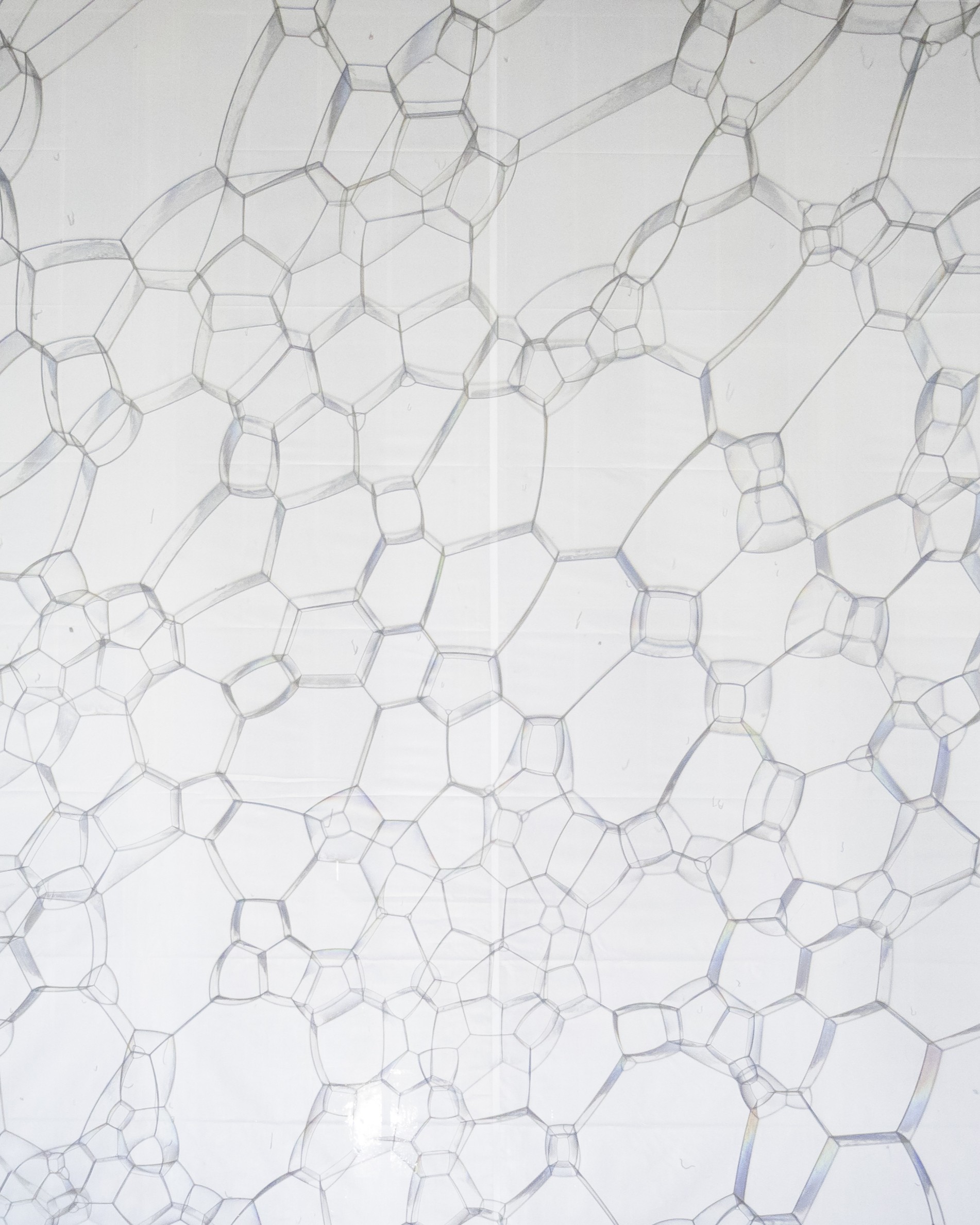
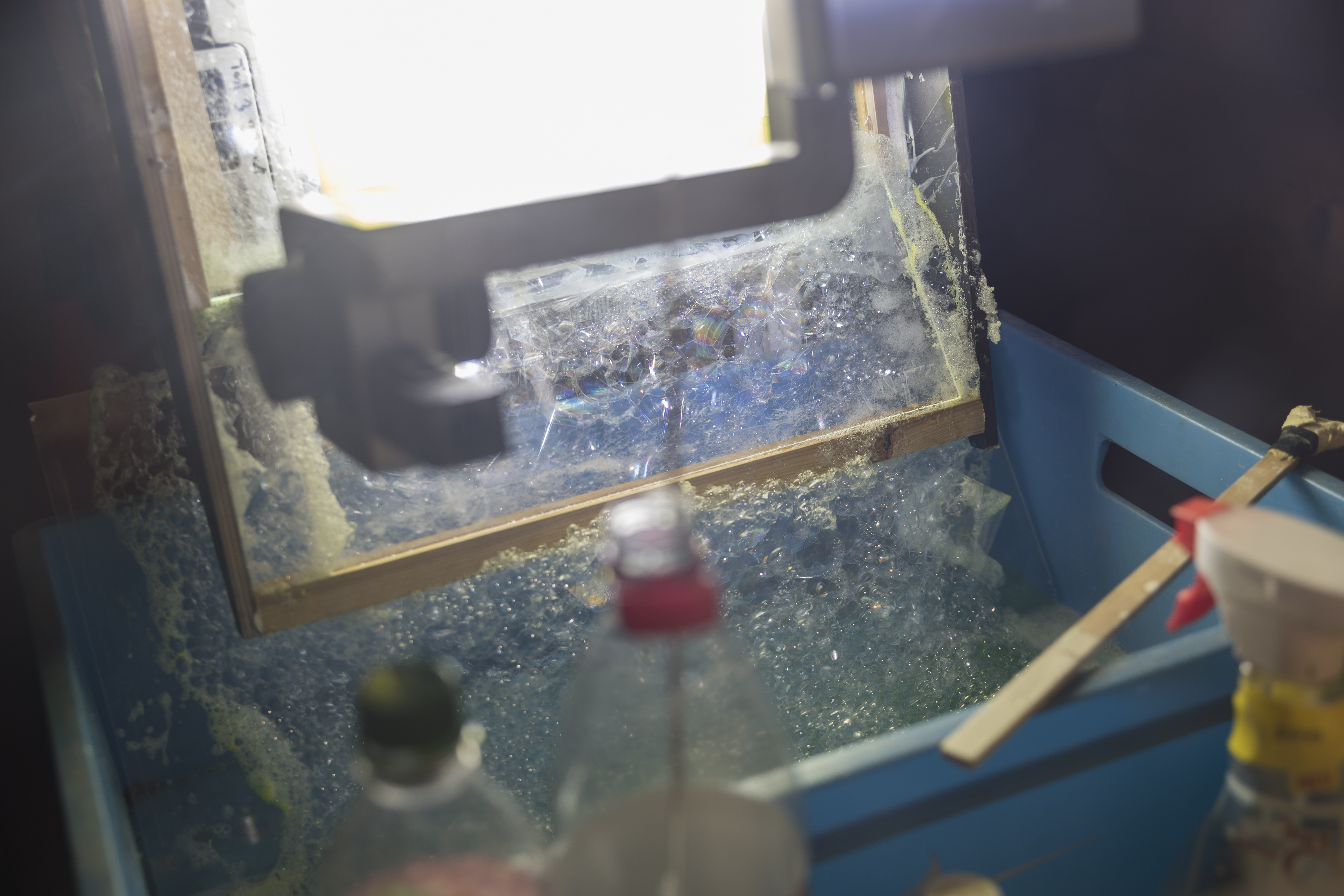
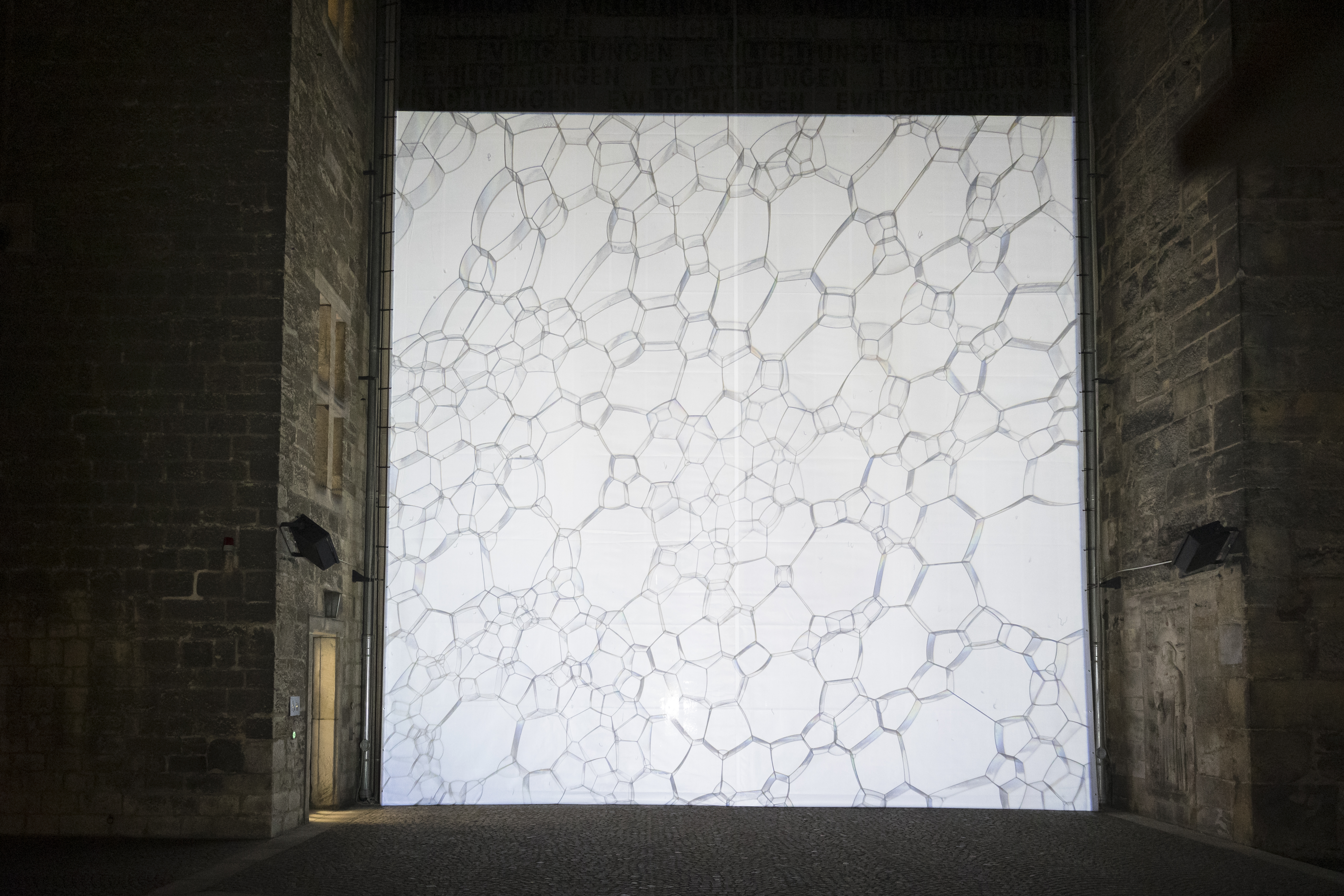
The installation projected light through fragile soap bubbles. The bubble surface became a temporary screen. Images formed, shifted, dissolved. Nothing repeated. The machine itself remained visible. Its mechanism was not hidden behind spectacle. Wendt once remarked that his machines “fight for a sculptural status.” They reveal how the image is produced, yet they still keep “a secret.”
Standing in front of the work, I felt the tension between exposure and mystery. The device was there, material and constructed. Yet the images refused stability. They existed only briefly. They depended on air, liquid, and time.
And time—more than light—seemed to be the real medium. During our interview, Wendt stated clearly: “Who has no minute should not get something.” The work required duration. It resisted quick consumption. It positioned the audience not as passive observers but as witnesses to a process unfolding at its own rhythm.
But here another question emerged: what happens when a slow work is placed in a fast environment?
The installation stood in a central and exposed location. People moved continuously around it. Conversations overlapped. The route encouraged flow rather than pause. Visibility was guaranteed, but stillness was fragile. Remaining with the projection required intention.
I wondered whether centrality always serves an artwork.
Does being at the heart of circulation amplify resonance, or does it sometimes thin it out? Would a more intimate indoor setting have allowed the projection to breathe differently? Would darkness and reduced movement have deepened the experience?
This was not a criticism of the artistic quality. On the contrary, the conceptual clarity of the work was strong. It offered a quiet resistance to digital immediacy. Wendt described his practice as an attempt “to extend traditional painting by technical tools and gain the dimension of time.” The projection did not produce a fixed image; it produced an event.
In the broader framework of the festival, this temporal insistence became significant. Other works operated on a monumental scale or engaged architecture through bold visual gestures. Seifenblasen Projektor introduced another tempo. It asked less from space and more from attention.
Can resonance be subtle? Can it exist in vibration rather than volume?
As the evening progressed, I realized that my own body had become part of the curatorial equation. I was moving quickly, aware of limited time, yet certain works forced me to slow down. My perception oscillated between urgency and contemplation. The festival’s structure demanded navigation; the artworks demanded presence.
The theme of resonance unfolded not as a single statement but as a field of relations. Light touched stone surfaces and altered their weight. Projections transformed façades into temporary narratives. Public space became a site of negotiation between everyday life and artistic intervention. Residents walked through familiar streets that had shifted, even if only for a night.
How does a city change when light reframes it? And does that change remain after the installations are removed?
The inclusion of students and children’s works reinforced the festival’s public dimension. It created accessibility without simplifying artistic discourse. However, as an international visitor, I felt the absence of broader English-language mediation. While light communicates beyond language, context often deepens understanding. Additional interpretive material could have strengthened the dialogue between local and international audiences.
By the time I had covered nearly seventy percent of the route, fatigue shaped my perception. I had absorbed images, sounds, and spatial transitions within a compressed timeframe. I had made choices about where to remain and where to continue walking. The festival, in its scale, exceeded one evening.
And perhaps that was the point. Light is temporary. It appears and vanishes. My encounter was also partial, shaped by circumstance. Yet within that limitation, something remained clear: the festival succeeded in building a structure where different artistic positions could coexist without canceling each other.
Ingo Wendt’s work stayed with me not because it dominated the night, but because it articulated a position on time. It insisted that attention cannot be rushed. It suggested that resonance is not always immediate; sometimes it emerges slowly, almost invisibly.
As I left Hildesheim, I did not carry a conclusion. I carried questions.
How can curatorial placement better protect the temporal needs of certain works?
How can festivals balance flow with intimacy?
And how much time is truly necessary for resonance to occur?
One night was not enough for completeness. But it was enough to recognize the seriousness of the artistic quality, the openness of the structure, and the ongoing dialogue between art, space, and people.
Sometimes, a single night does not provide answers. It sharpens the questions.